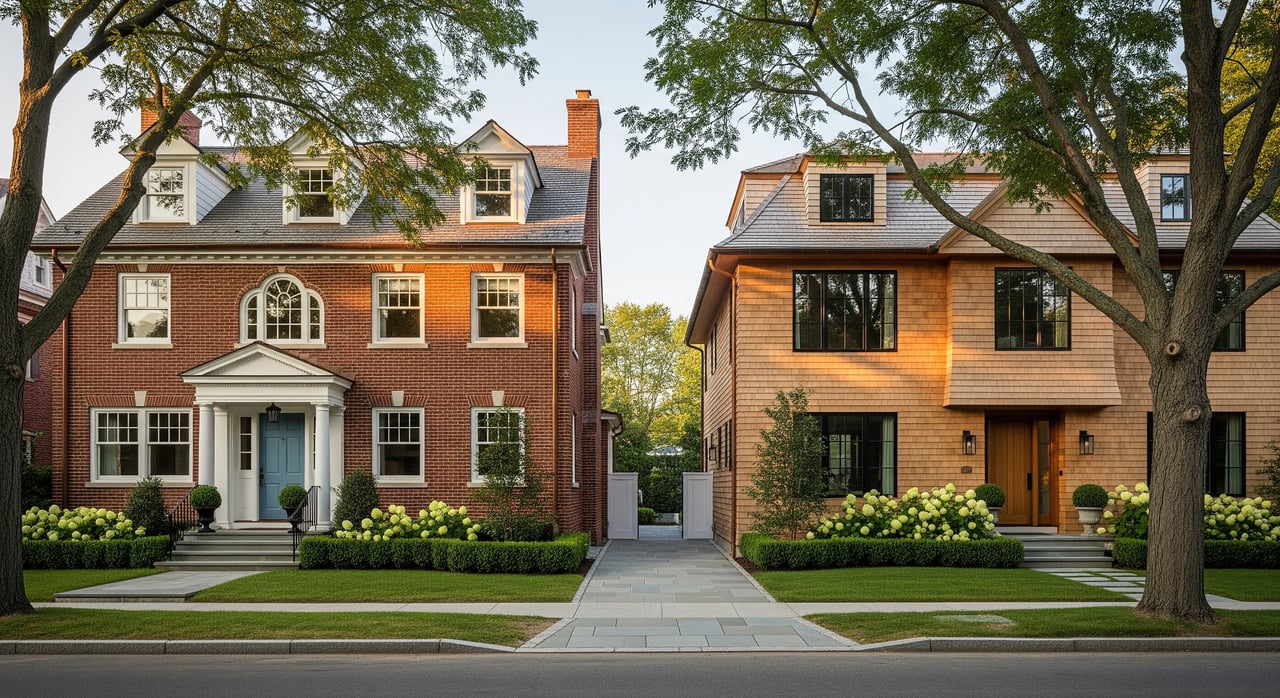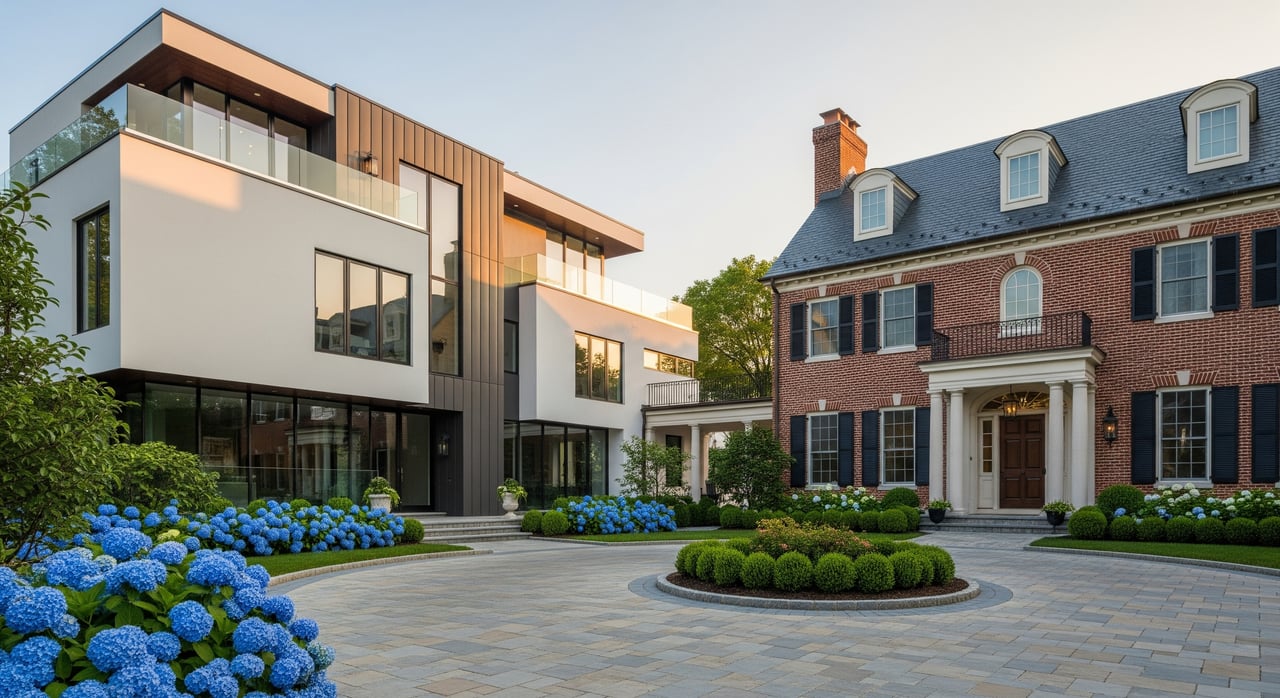
Should you target a brand-new custom build in Potomac or go after a beautifully renovated resale on a mature lot? It is a big decision with real budget, timeline, and lifestyle tradeoffs. You want a home that fits how you live today, protects your equity, and avoids expensive surprises. In this guide, you will compare the costs, timelines, energy performance, warranties, and resale outlook specific to Potomac and Montgomery County so you can move forward with confidence. Let’s dive in.
Potomac market reality
Potomac is an established, affluent area with many mature lots and older single-family homes. Prime vacant land is limited, so new homes often come from teardowns rather than large new subdivisions. That scarcity can push competition and pricing higher for the best lots and for renovated, move-in-ready resales.
Buyer preferences matter too. Many luxury buyers want turnkey, modern finishes and are willing to pay for them. If you want a tailored floor plan and the newest systems, new construction is the clearest path. High-end renovations can deliver similar finishes, but the existing footprint may limit layout changes.
For investors, single-family luxury in Potomac is typically about long-term appreciation and diversification rather than short-term rental yield. If you plan a flip, renovation budget discipline is critical because neighborhood comparable sales set a ceiling on your achievable price.
Cost and value: what you pay
Purchase price and price per square foot
New construction usually carries a higher price per square foot for similar finishes because you are paying for new systems, a contemporary layout, and builder profit. Renovated resales can also command a premium if the work is recent and high quality. The practical approach is to compare net cost to the top of the neighborhood pricing band and to local comps per square foot.
Renovation costs and contingency
Whole-house luxury renovations can be complex and expensive. Unknown conditions in older homes can add cost and delay. Common examples include structural surprises, outdated wiring or plumbing, and potential lead-based paint or asbestos in homes built before 1978. It is smart to include a contingency reserve. For high-end projects, a 10–25% contingency is a common planning range based on scope and uncertainty.
Carrying costs and tax impacts
If you renovate, carrying costs add up. You will need to account for mortgage interest, taxes, insurance, and utilities during the project. New construction can also affect your property assessment once the home is complete, which can change your future tax bill. Build those impacts into your model when you compare scenarios.
Timeline and certainty
New build timeline
A new home involves planning, permitting, site work, foundation, vertical construction, and inspections. In Potomac and Montgomery County, this can take months to a year or more depending on scope, permit cycles, and builder backlog. If your builder offers a fixed schedule and proven delivery track record, that can add useful predictability.
Renovation timeline
Cosmetic updates can be faster. Full gut rehabs with structural changes, systems replacement, and additions can rival or exceed new-build timelines. Surprises behind the walls often drive delays. If you have a hard move-by date, a recently completed new build or a renovated resale that needs nothing may serve you best.
Speed to occupancy
If you need to move quickly, look for a move-in-ready renovated resale or a finished spec home. If your timeline is flexible and you want a custom layout, a new build can be worth the wait.
Energy, systems, and maintenance
Efficiency and codes
New builds are designed to meet modern code standards, which usually means tighter envelopes, better insulation, efficient HVAC, and more advanced controls. That often lowers ongoing utility costs. A renovated resale can achieve similar performance if the scope includes envelope upgrades, new windows, and modern mechanicals, but that work is more invasive and adds cost.
Warranties and maintenance
New construction typically comes with builder warranties for workmanship and structural elements, along with manufacturer warranties on new systems. This reduces near-term maintenance risk. Renovated resales depend on what was replaced and the contractor’s warranty terms. Ask for documentation, transferable warranties, and lien releases so you know what protection you have.
Resale outlook
Move-in-ready renovated homes often sell at a premium compared to unrenovated listings, but sellers rarely recover 100% of high-end renovation costs. In luxury price bands, design quality and fit with local preferences matter a lot. Kitchens, baths, curb appeal, and bedroom/bath count are frequent value drivers, yet the neighborhood price ceiling sets your upper limit.
For investors, the question is not just cost recovery. You need to model the achievable resale price versus the strength of competing new builds and top-tier renovated comps in the immediate area.
Financing and permits in Montgomery County
Financing paths
- New builds: Many buyers use a construction loan that converts to permanent financing at completion. Some opt for builder-offered financing or bridge loans.
- Renovations: Options include cash, a cash-out refinance, a HELOC, renovation loans, or construction loans for major rehabs. For substantial projects, make sure the post-renovation valuation is realistic and supported by comps.
Permits and approvals
Major renovations and new homes require permits through Montgomery County’s Department of Permitting Services. Depending on scope, you may need site plan review, grading and stormwater approvals, and inspections at each stage. Start early so your design aligns with local requirements and review timelines.
Local constraints to check
Confirm lot coverage and setbacks, easements, tree and forest conservation rules, and any historic or covenant considerations. For complex projects, a local architect or permit expediter can help you navigate requirements efficiently.
Due diligence checklist
Use this checklist to protect your budget and timeline in Potomac:
- Comparative market analysis
- Define the upper-end comps in your immediate area to set a realistic price ceiling.
- Lot and zoning review
- Verify setbacks, lot coverage, slope, easements, and tree or forest protections.
- Title and utilities
- Confirm easements, well or septic status if present, and any HOA or covenant rules.
- Structural and systems inspections
- Get a full home inspection and call in specialists for foundation, roof, drainage, chimneys, or structural concerns.
- Hazardous materials testing
- For older homes, test for lead paint, asbestos, and mold as appropriate.
- Contractor vetting and bids
- Collect multiple detailed bids, check licensing, insurance, references, and lien release processes.
- Permitting pathway and timing
- Map required permits and typical county timelines for similar projects.
- Energy and systems plan
- Estimate costs for HVAC, insulation, windows, and controls if efficiency matters to you.
- Contingency and financing plan
- Budget a 10–25% contingency for renovations and align financing with expected draw schedules and timelines.
- Warranties and documentation
- Secure written warranties, lien releases, and as-built plans. For new builds, review builder warranty terms carefully.
A simple decision framework
Match your priorities to the better-fitting path:
- Maximum customization and a modern floor plan: lean new construction.
- Lower short-term maintenance risk: lean new construction with builder and system warranties.
- Faster occupancy: choose a renovated resale that needs no work or a finished new spec home.
- Budget certainty and a fixed timeline: consider a fixed-price new-build contract with a reputable builder.
- Mature lot and established neighborhood character: choose a renovated resale if the structure is sound.
- Investor flip strategy: proceed only if after-repair value exceeds purchase, renovation, contingency, and carrying costs.
- Long-term ownership with energy savings: choose new construction or a deep renovation that replaces major systems.
Real-world scenarios
- You want a custom chef’s kitchen, open layout, and new mechanicals. New construction gives you the cleanest path to a tailored plan with the latest codes and warranties.
- You need to be in your new home within a few months. A move-in-ready renovated resale or a completed spec build reduces timing risk and stress.
- You are investor-minded and see a dated home on a great Potomac lot. If comps support your after-repair value and your budget includes a 10–25% contingency plus carrying costs, a renovation can pencil. If not, consider a teardown and new build only if lot value and demand justify it.
Next steps
If you are comparing a specific renovated listing to a new-build option, put both on the same spreadsheet. Include total acquisition cost, renovation or build cost, soft costs, contingency, carrying costs, and a realistic resale or personal value. Then layer in timeline and risk. The clearer the math, the easier your decision.
You do not have to do this alone. We can help you define non-negotiables, run neighborhood comps, outline a permitting pathway, and pressure-test budgets with vetted local builders and contractors. When you are ready to explore Potomac new construction or a high-end renovated resale, connect with Brandi Turner to get a clear, data-informed plan.
FAQs
How do Potomac lot constraints affect new builds?
- Limited vacant land means many new homes come from teardowns, so lot competition and permitting complexity can be higher than in newer subdivisions.
Do renovated resales in Potomac sell at a premium?
- High-quality, move-in-ready renovations often sell for a premium over unrenovated homes, but pricing is limited by neighborhood comparables.
How much renovation contingency should I budget?
- A common planning range for luxury scope is 10–25%, especially for older homes with possible structural or systems unknowns.
Which is more energy efficient: new or renovated?
- New builds typically perform better out of the box due to modern codes; a deep renovation can match that if it includes envelope and systems upgrades.
What permits are required in Montgomery County?
- Major renovations and new homes require building permits and inspections, and may need site, grading, and stormwater approvals; start early to align design and timelines.
Which option is faster if I have a firm move-in date?
- A move-in-ready renovated resale or a completed new spec home is often the quickest path compared to a custom build or a full gut renovation.